Tub-to-Shower Conversions: The Perfect Upgrade for Modern Bathrooms
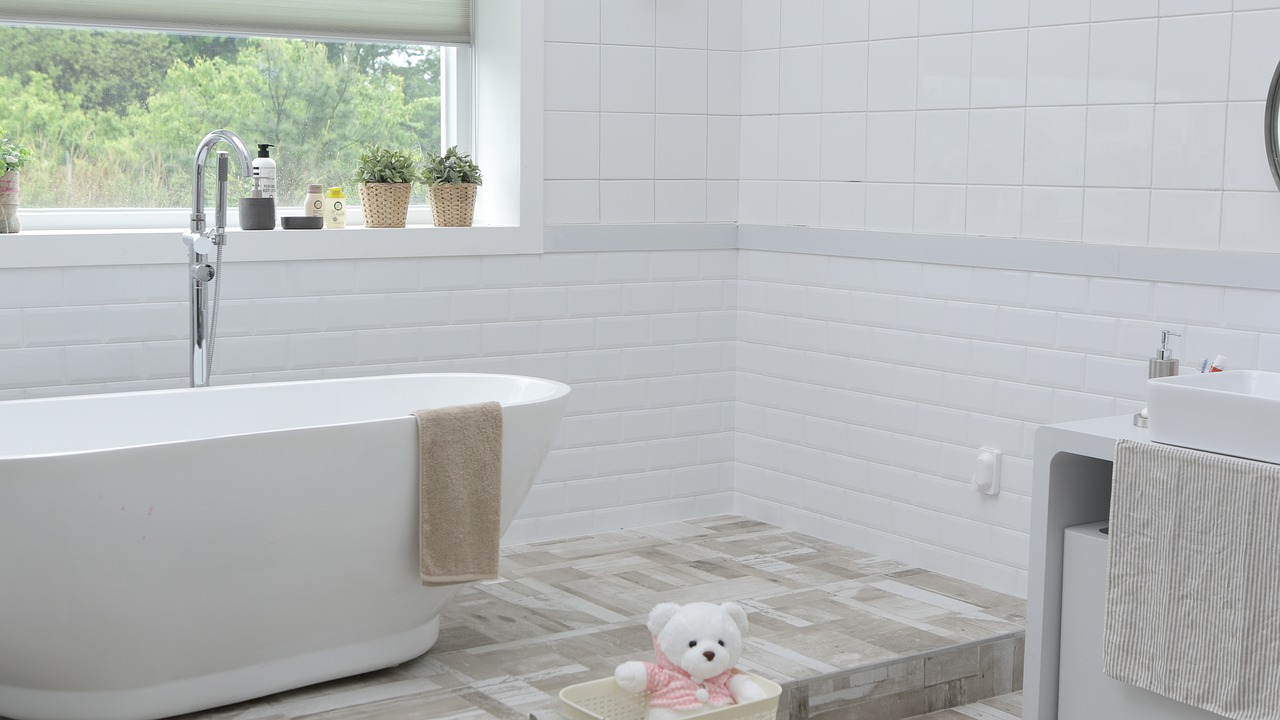
Are you tired of your old bathtub taking up valuable space in your bathroom? If so, a tub-to-shower conversion could be the upgrade you’ve been dreaming about. Modern bathrooms are all about functionality and style, and switching to a shower can create a more open, inviting atmosphere while catering to today’s needs.
Imagine stepping into a sleek, spacious shower instead of taking a shower in an awkward tub. You can have all the good stuff if you choose to hire the best Denver bathroom remodel contractor to turn your boring bathroom into a modern and stylish oasis with a tub-to-shower conversion. See, this can even be a great upgrade if you live with seniors or people with mobility issues.
Converting your bathtub into a walk-in shower can make it easier for them to access and use the shower without the risk of falls and injuries. But there is more. Let’s explore why converting your tub into a shower might just be the perfect solution for your home.
Maximized Space
 One of the standout benefits of a tub-to-shower conversion is how it maximizes space. Traditional bathtubs often consume significant square footage, making bathrooms feel cramped and cluttered. By replacing that large structure with a sleek shower, you instantly open up the room. This newfound space can make your bathroom feel more expansive and inviting.
Think about it: more room means better flow and easier navigation, especially during busy mornings when everyone’s rushing to get ready. You might even consider incorporating clever storage solutions in this newly available area—perhaps adding shelving or built-in nooks for toiletries and towels.
Enhanced Accessibility
A tub-to-shower conversion can significantly improve accessibility in your bathroom. Traditional bathtubs often present challenges for those with mobility issues or disabilities. Stepping over the high walls of a bath can be risky. Showers, on the other hand, provide a flat entry point. This design allows for easy access without any obstacles. Adding grab bars and non-slip flooring enhances safety even more. For those relying on wheelchairs or walkers, a barrier-free shower becomes essential. It offers independence and confidence during daily routines. Moreover, adjustable handheld showerheads cater to various heights and preferences.
Modern Aesthetic
Creating a modern bathroom is all about embracing simplicity and elegance. A tub-to-shower conversion instantly transforms the space into a sleek oasis. Think clean lines and minimalistic design elements. Open spaces invite natural light, making your bathroom feel larger and more inviting. What’s more? You can also choose glass shower doors instead of heavy curtains to enhance that airy vibe. The transparency adds an illusion of depth while showcasing beautiful tile work or unique fixtures. Incorporating trendy materials like matte black finishes or polished chrome can elevate the overall aesthetic dramatically.
Easy Maintenance
One of the standout benefits of a tub-to-shower conversion is the ease of maintenance. Showers typically require less upkeep than traditional bathtubs, making your daily routine simpler. With fewer surfaces to clean, you can spend less time scrubbing and more time enjoying your space. Smooth tiles and modern materials often resist stains better than older bathtub finishes, providing a cleaner look with minimal effort. Additionally, contemporary shower designs frequently incorporate built-in niches for toiletries. This eliminates clutter around the edges and gives you easy access without any fuss.
Water Efficiency
 Traditional bathtubs often require gallons of water for a single soak. Showers, on the other hand, use far less. Modern showerheads are designed with technology that conserves water without sacrificing performance. Many models provide strong pressure while using under two gallons per minute.
Hire a Professional Bathroom Remodeler Now
So, if you’re really interested in working on a tub-to-shower conversion, ensure you’ve got the right bathroom remodeler who will ensure that every detail is handled seamlessly—from design choices to plumbing adjustments. Investing in a skilled contractor means you’ll enjoy the benefits of modern bathrooms without the stress of DIY challenges.…

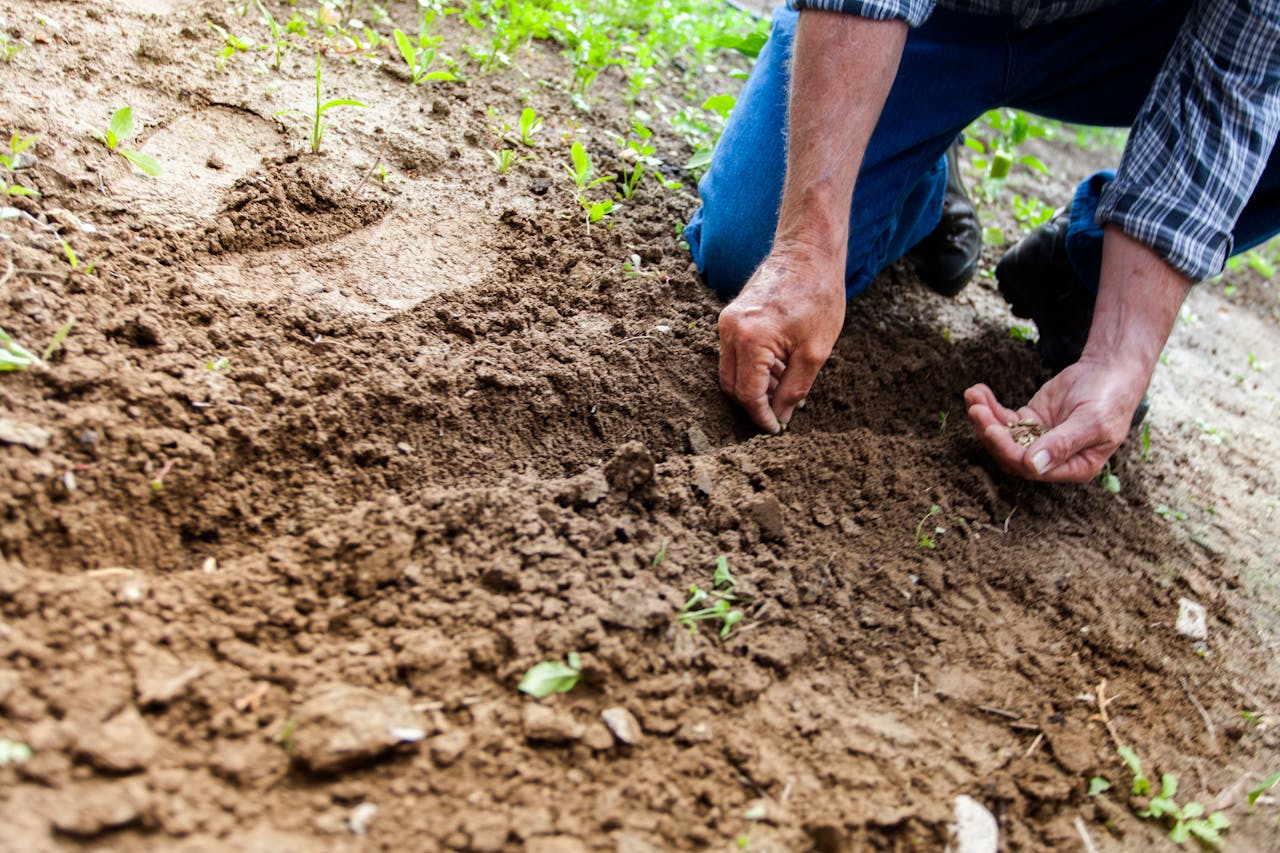
 Before diving into the world of seasonal gardening, get to know your local climate intimately. Recognize the average frost dates, temperature fluctuations, and the unique characteristics of each season in your region. You can also consider soil testing with meters or kits to gain insights into your soil’s composition and nutrient levels.