
Understanding the Long-Term Benefits of Pipe Relining for Residential Properties
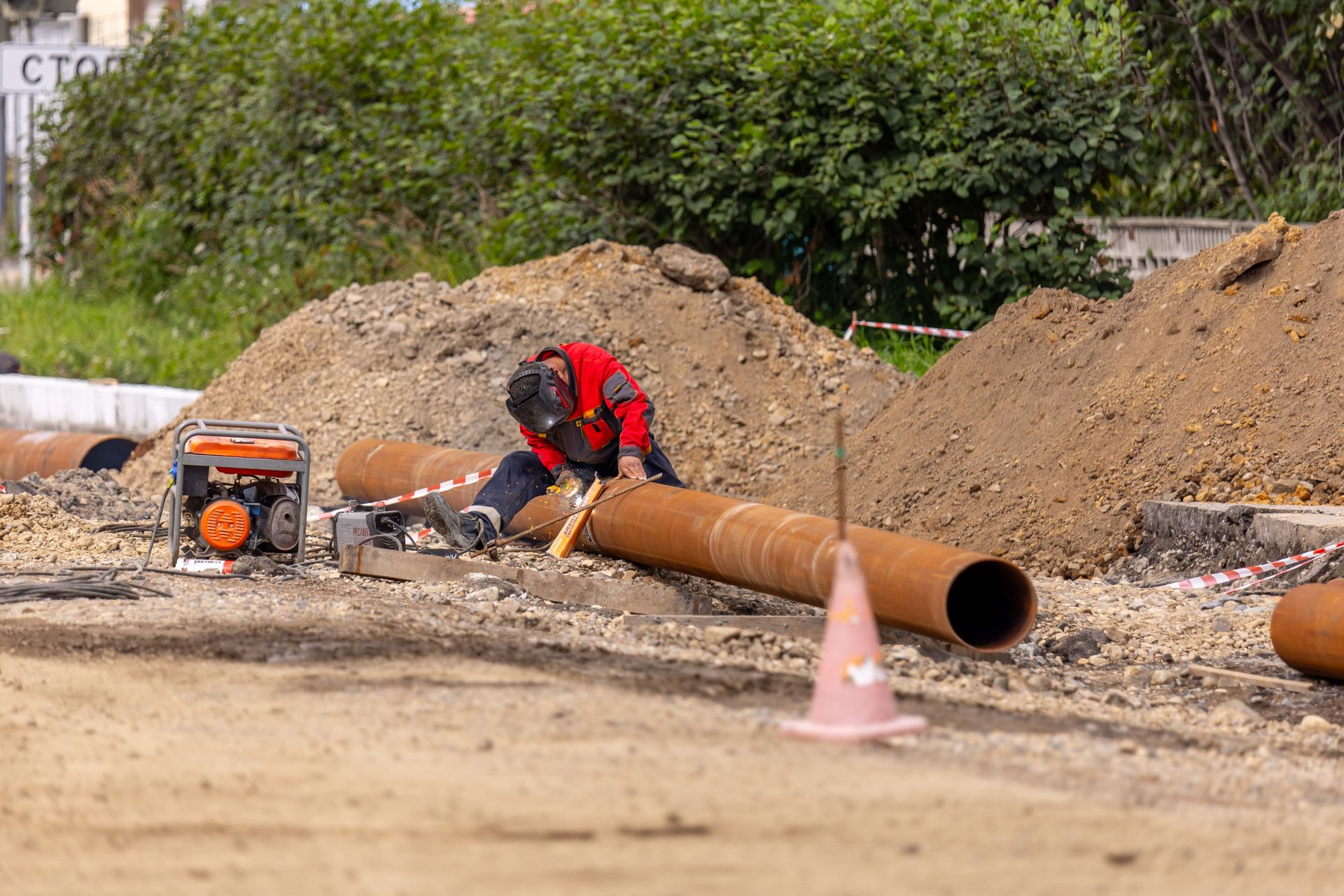
Residential plumbing systems face constant pressure from daily use, environmental conditions, and aging infrastructure. Over time, pipes can weaken, crack, or become blocked by debris and tree roots. Traditional repair methods often involve excavation, which can be disruptive and costly. Also, pipe relining eastern suburbs has emerged as a modern alternative that repairs damaged pipes from within. It strengthens existing systems without requiring full replacement. Understanding the long-term benefits of pipe relining for residential properties helps homeowners make informed decisions about maintaining their plumbing systems efficiently and cost-effectively.
Extending Pipe Lifespan Effectively
One of the most important long-term benefits of pipe relining is the significant extension of pipe lifespan. Older pipes often deteriorate due to corrosion, soil movement, and constant water pressure. Pipe relining creates a new internal layer inside the existing pipe structure. This layer is strong, smooth, and resistant to common causes of damage. Once installed, it acts as a protective barrier that prevents further deterioration. This reinforcement allows the existing plumbing system to function like new without full replacement. Homeowners benefit from a longer-lasting solution that reduces the need for repeated repairs or upgrades over time.
Preventing Recurring Plumbing Issues
Frequent plumbing problems can become expensive and inconvenient for homeowners. Leaks, blockages, and pipe collapses often return if only temporary fixes are applied. Pipe relining addresses the root cause of these issues by repairing the internal pipe surface. The seamless lining eliminates cracks and entry points where tree roots or debris may enter. This significantly reduces the chances of recurring blockages or leaks. As a result, homeowners experience more stable plumbing performance over the long term. Fewer repairs also mean less disruption to daily household activities.
Protecting Property Structure and Landscape

Excavation-based pipe repairs can cause damage to gardens, driveways, flooring, and foundations. These disruptions often add to the overall cost and inconvenience of repairs. Pipe relining eliminates the need for large-scale digging, preserving the existing structure of the property. Landscaping remains intact, and interior spaces are not disturbed during the repair process. This is especially important for homes with well-maintained outdoor spaces or complex architectural layouts. By protecting the property’s structure, pipe relining helps maintain both aesthetic value and structural integrity. Homeowners benefit from a repair method that is both effective and minimally invasive.
Reducing Long-Term Maintenance Costs
Maintenance costs are a major concern for residential property owners. Traditional pipe replacement often involves repeated excavation, labor, and property restoration expenses. Pipe relining reduces these long-term costs by providing a durable, one-time solution. Since the process does not require digging, it also avoids additional expenses related to landscaping or structural repairs. The strength of relined pipes means fewer future maintenance interventions are needed. Over time, this leads to significant savings for homeowners. Lower maintenance requirements make pipe relining a cost-efficient choice for residential plumbing systems.
Improving Water Flow Efficiency
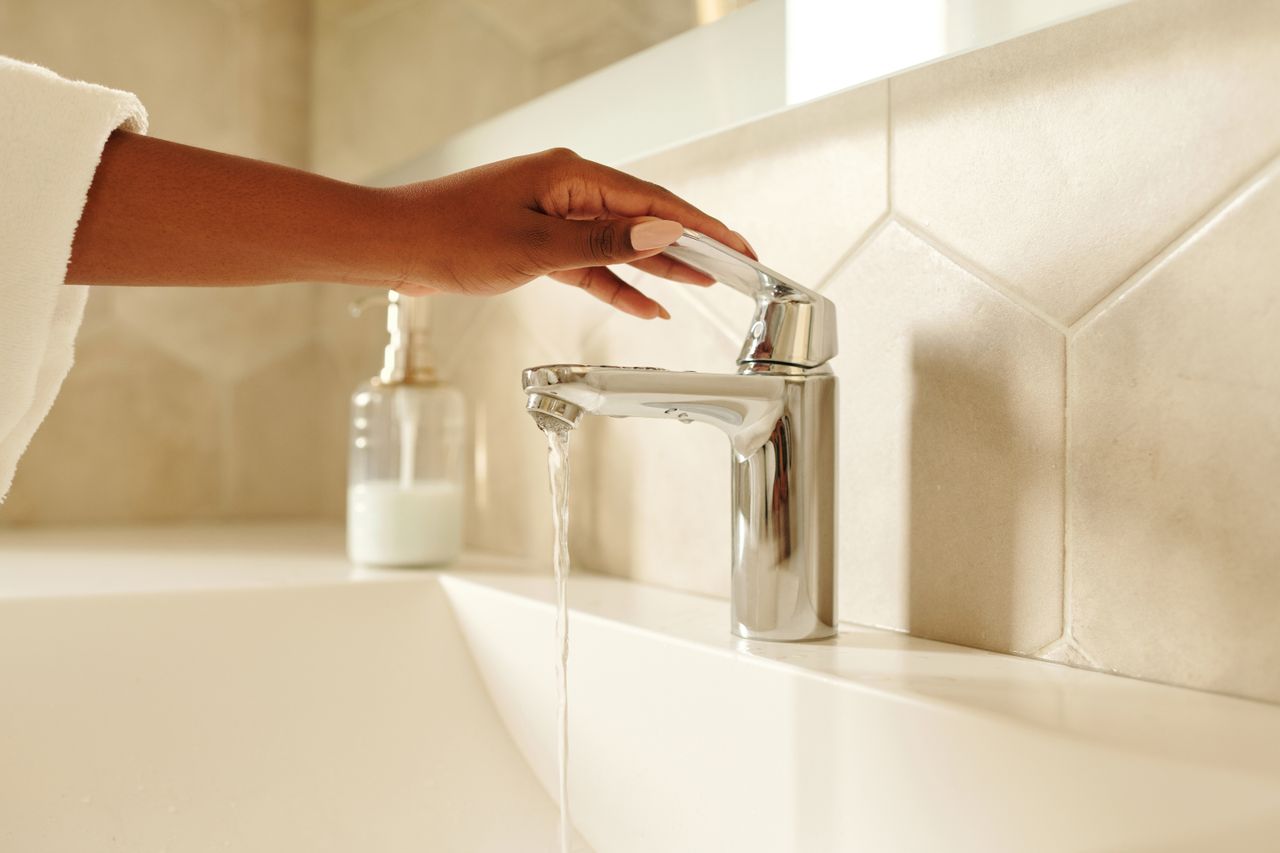
Damaged pipes often develop rough internal surfaces that restrict water flow. This can lead to slow drainage, blockages, and reduced plumbing efficiency. Pipe relining creates a smooth inner surface that improves water movement through the system. The new lining reduces friction and prevents the buildup of debris inside the pipes. This helps maintain consistent water pressure and efficient drainage throughout the home. Improved flow efficiency also reduces strain on the overall plumbing system. Better performance contributes to long-term reliability and fewer operational issues.
Supporting Sustainable Home Maintenance
Sustainability is becoming an important consideration in modern home maintenance. Traditional pipe replacement generates waste and requires significant use of materials and machinery. Pipe relining is a more environmentally friendly solution. It reduces excavation waste and allows existing pipes to be reused rather than discarded. This minimizes environmental impact while still providing a strong and durable repair. Homeowners benefit from a solution that supports both efficiency and sustainability. Choosing pipe relining contributes to responsible property management practices.
Pipe relining offers a wide range of long-term benefits for residential properties. It extends pipe lifespan, prevents recurring issues, reduces maintenance costs, protects property structures, improves water flow efficiency, and supports environmentally sustainable practices. Unlike traditional pipe replacement methods, relining provides a durable and minimally invasive solution that preserves both the functionality and appearance of a home. As plumbing systems continue to age in many residential properties, pipe relining stands out as a reliable and cost-effective option for long-term maintenance and protection.