
Fire-Damaged Properties for Sale: Things to Consider Before Hitting the Market
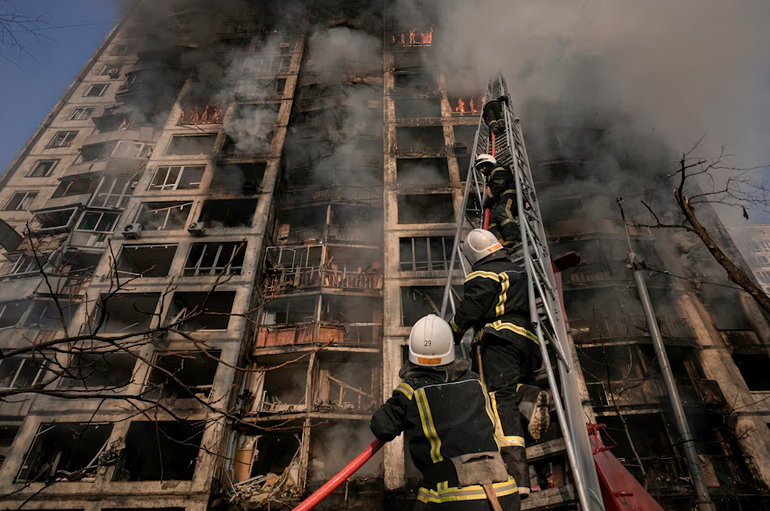
Selling a home that has experienced fire damage is not like a typical real estate transaction. Buyers approach such properties with caution, often concerned about hidden issues or costly repairs. Fire damaged home buyers near me are usually looking for opportunities, but they still expect honesty and clarity. As a homeowner, your task is to present the property in the best possible light while being transparent. That balance makes the sale smoother and more trustworthy. Knowing the right steps before listing can make the difference between a stalled deal and a successful one.
The Damage
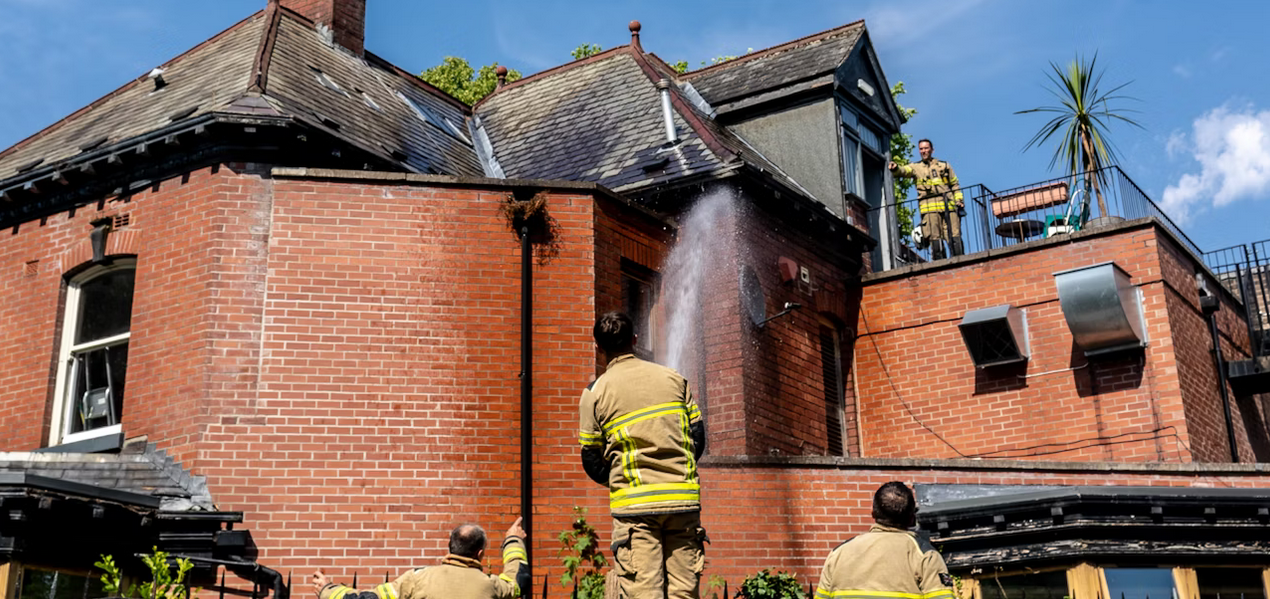
The first and most important step is understanding what the fire has done to your property. Fires rarely cause only surface damage. Smoke, soot, and water from firefighting often seep into walls, floors, and ceilings. Even areas untouched by flames may carry lingering odors. Having a professional inspection reveals the full extent. This report is essential because it sets realistic expectations for you and any potential buyer. It also provides a clear picture of what needs repair and what can remain as is.
The Possibility for Restoration
While you may be tempted to clean up yourself, professionals bring experience and equipment that make a difference. Restoration experts know how to remove smoke odor, repair structural issues, and handle water damage safely. Their role is not only about fixing what’s visible. They also prevent long-term problems that could hurt the property’s value later. By consulting them, you ensure that the home meets safety standards and looks more appealing to buyers.
The Essential Documentation

Buyers will want information that reassures them about the home’s condition. Documentation plays a vital role here. Keep records of the fire incident, insurance claims, and any restoration work completed. If professionals handled repairs, make sure their certifications and warranties are available. Having this paperwork ready builds confidence. It shows that you are transparent, which is critical when dealing with fire damage. Organized records can often speed up negotiations and reduce buyer hesitation.
The Price
Pricing a fire-damaged home is a delicate process. You cannot list it the same way as a property without issues. At the same time, underpricing could mean losing value unnecessarily. Work with a real estate agent who has experience selling damaged properties. They can analyze local market conditions, recent sales, and the cost of needed repairs. The goal is to set a price that reflects both the challenges and the potential. Doing so helps attract serious buyers without discouraging them from the start.
The Strategy Used

Listing a fire-damaged home requires a thoughtful strategy. Highlight the strengths of the property, such as location, lot size, or unique architectural features. At the same time, be upfront about the fire and what has been done since. Avoid hiding the damage because it will eventually come up during inspections. Some buyers, especially investors, look for opportunities in such properties. Tailor your marketing to reach them. Clear photos, detailed descriptions, and honest disclosure can make your listing stand out.
Traditional buyers may hesitate when they see fire damage. That is why cash buyers or specialized investors can be a good option. They often move quickly and buy properties as-is. While their offers may be lower than a fully repaired home’s market value, they provide speed and certainty. For homeowners who want to move on without delays, this option may provide the utmost relief. Exploring this path ensures you consider all possibilities before making your final choice.